Why Stellwagen Bank matters
1/5
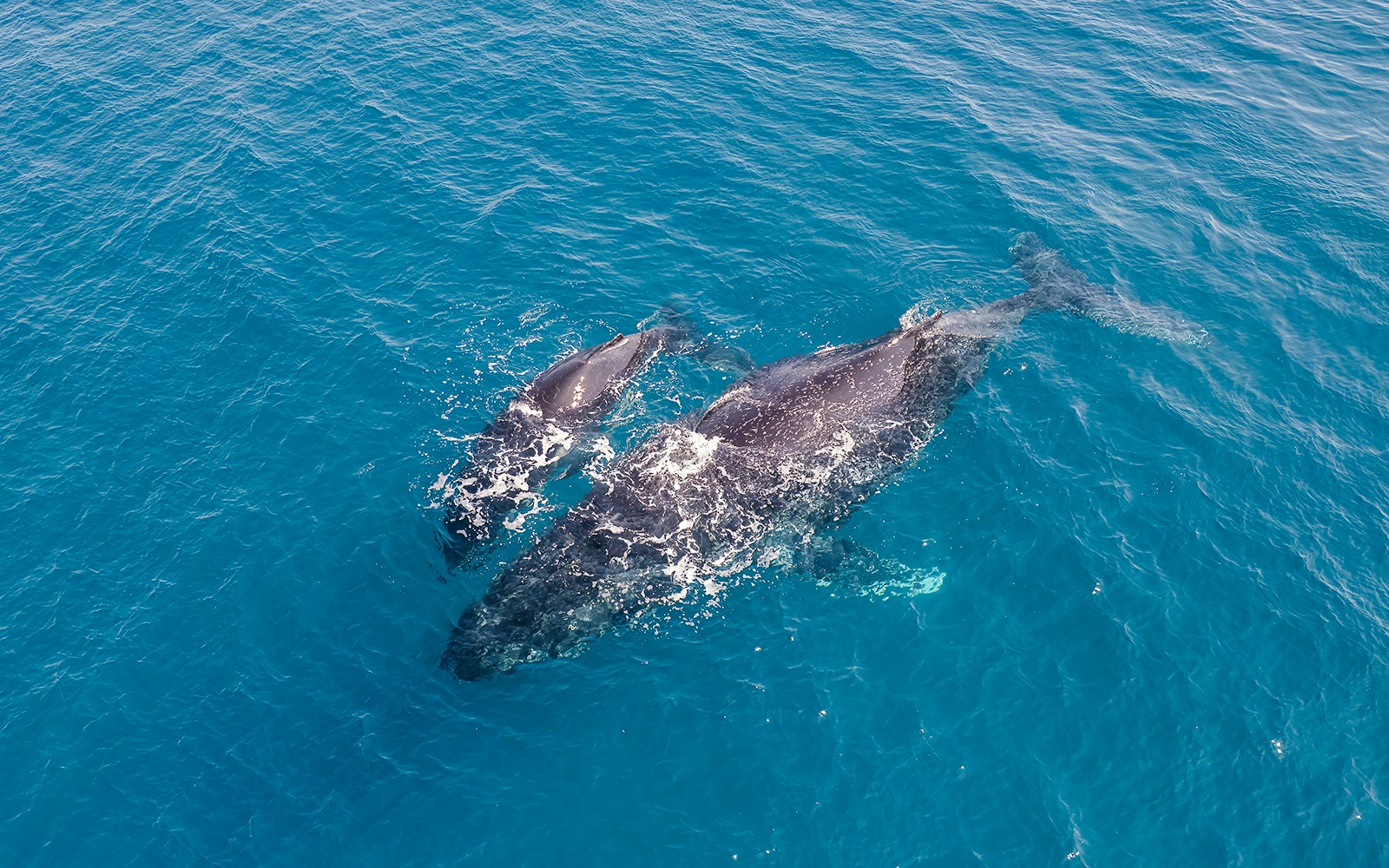
Stellwagen Bank is one of the world’s top whale-feeding grounds, a protected marine sanctuary just off the coast of Boston. Its unique underwater plateau creates the perfect environment for rich marine life, drawing humpbacks, fins, minkes, and even rare North Atlantic right whales throughout spring, summer, and early fall. Most whale-watching cruises from Boston travel directly to this thriving ecosystem, ensuring a high chance of sightings.
Overview:
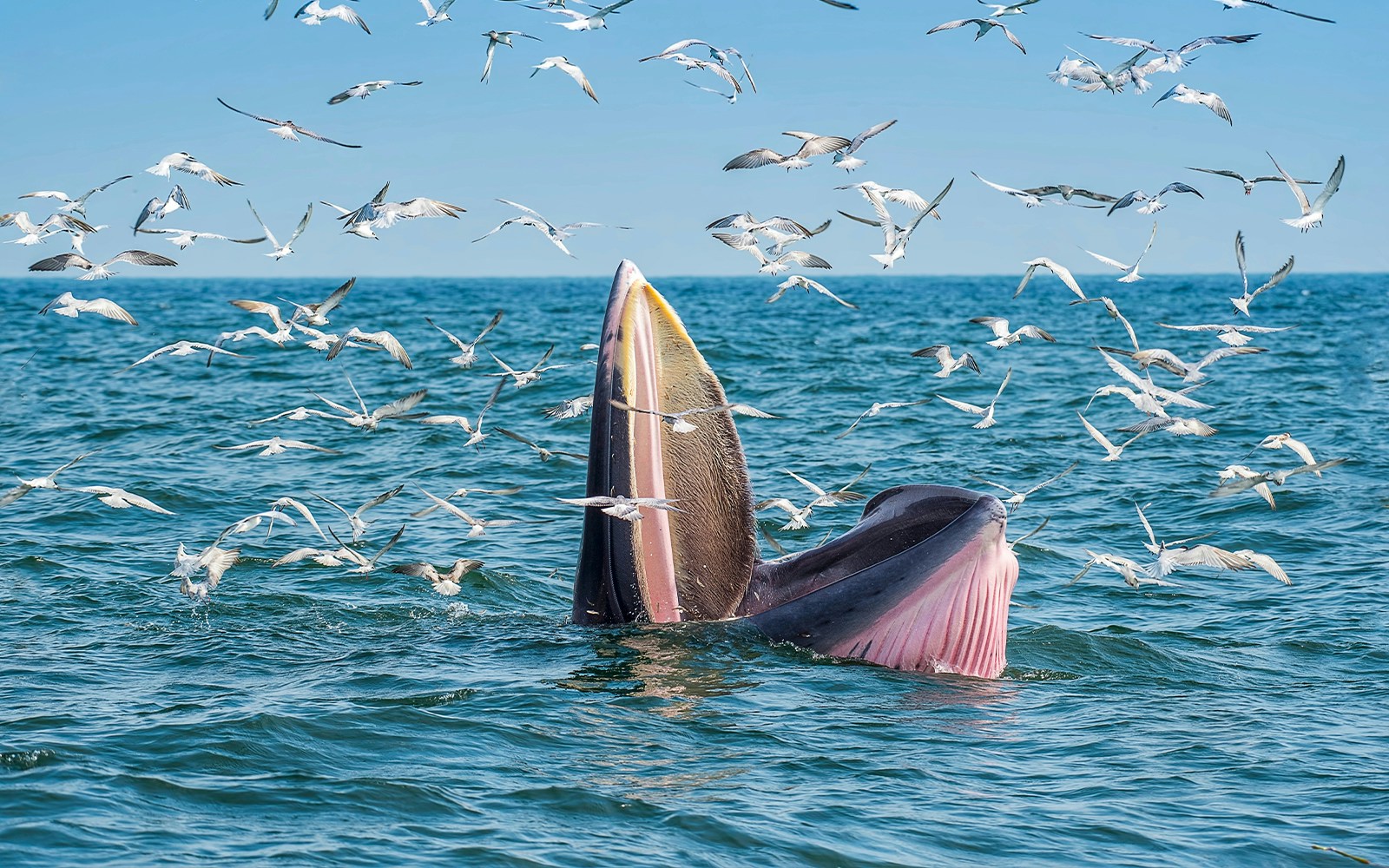
The underwater plateau forces nutrient-rich water upward, attracting huge schools of fish. That steady food supply keeps humpbacks, fin, and minke whales returning season after season, giving visitors high odds of witnessing active feeding behaviors.
Stellwagen Bank is federally protected to conserve biodiversity while supporting responsible recreation. Science-based rules guide whale-watching operators, reducing disturbance so that the sanctuary remains a safe place for whales to rest, feed, and raise their young.
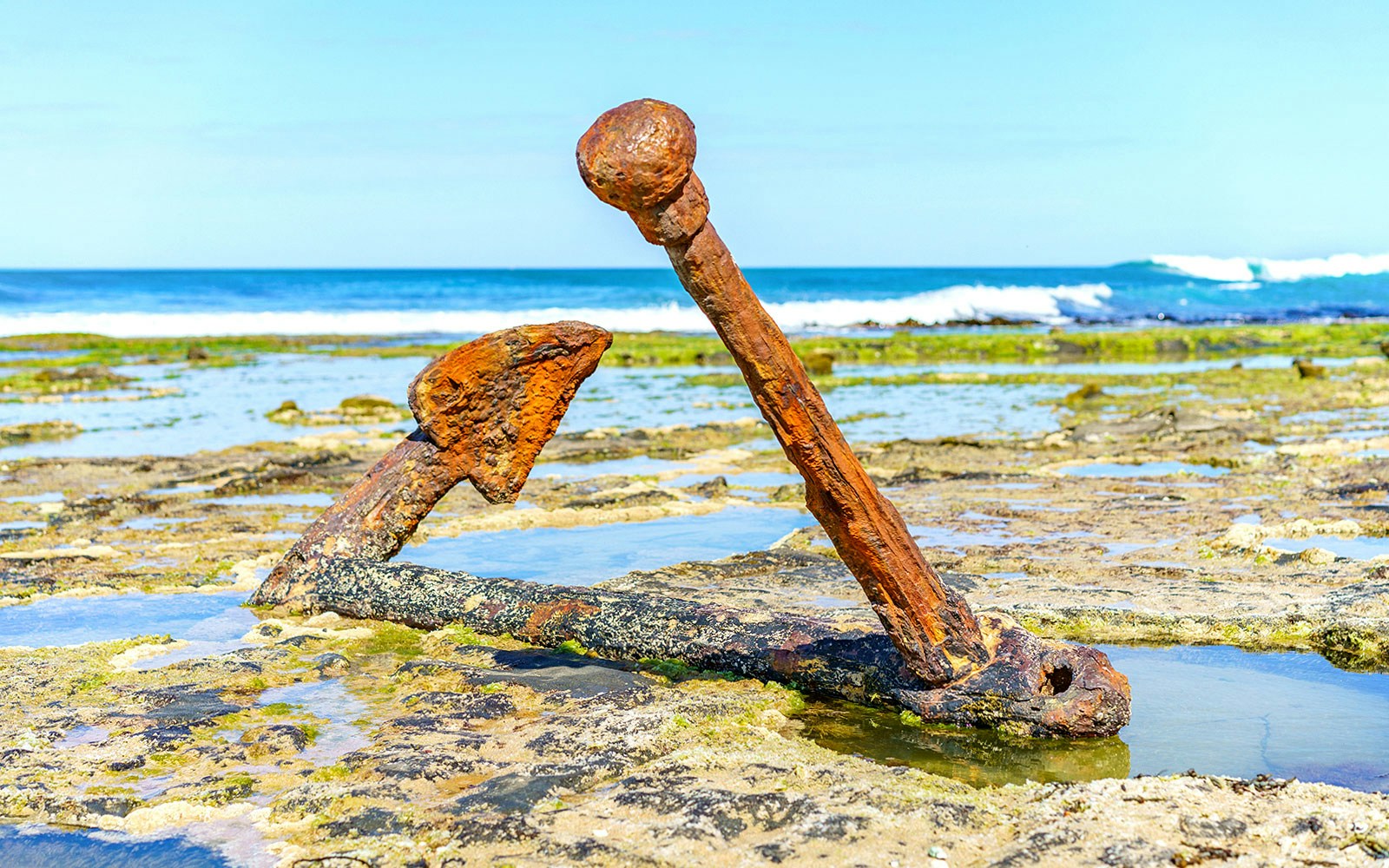
More than 200 shipwrecks lie across the seafloor—from colonial-era schooners to modern steel vessels. These protected archaeological sites help researchers document New England’s seafaring past and the evolution of Atlantic trade and travel.
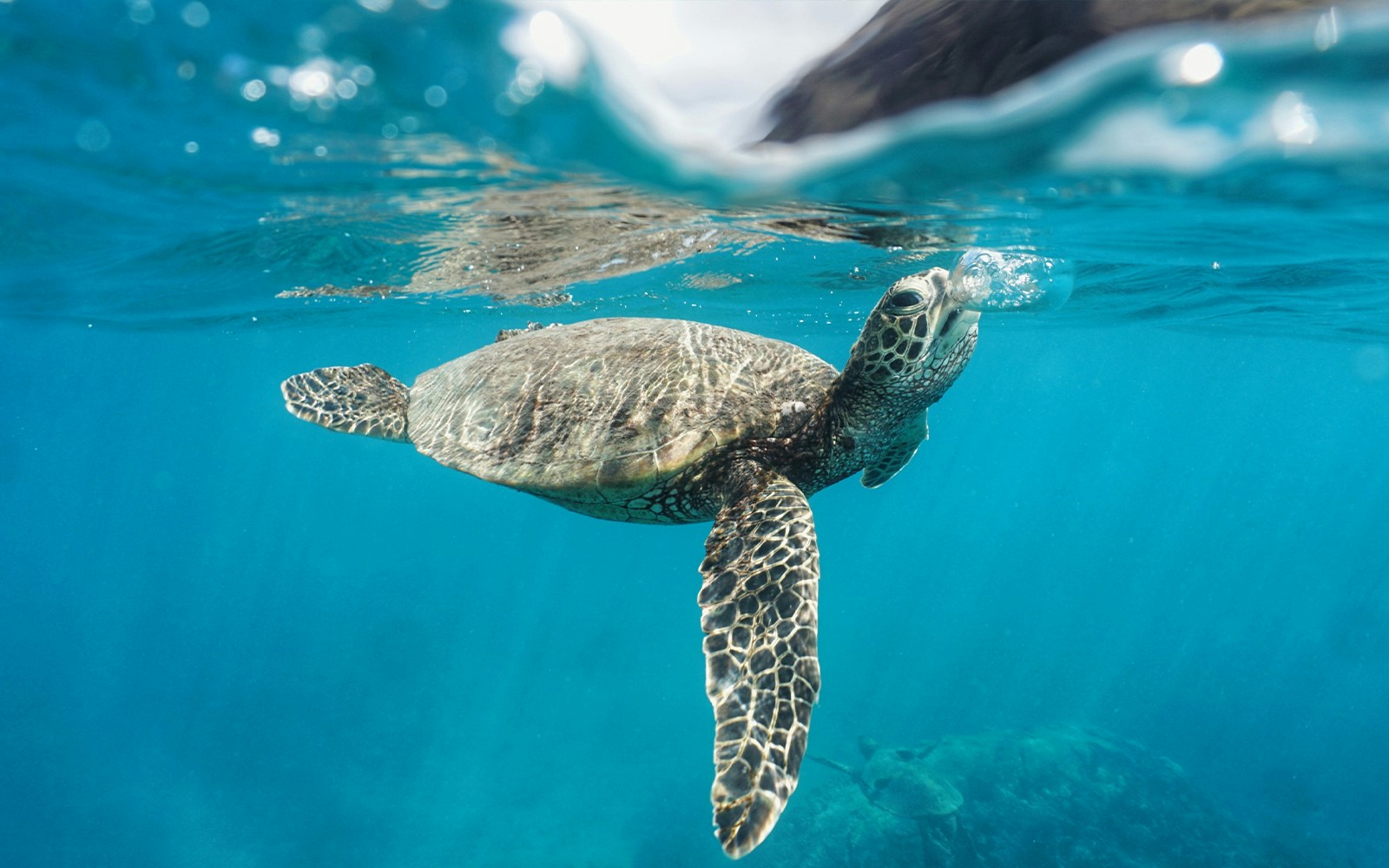
Besides whales, the sanctuary sustains bluefin tuna, sharks, porpoises, sea turtles, and seabirds that follow the same rich food chain. Each trip offers different wildlife moments, depending on seasonal migration and daily ocean conditions.
Scientists tag and study whales here to track their migration, feeding habits, and population health. Findings from Stellwagen Bank influence protection strategies across the Atlantic, making every sighting part of a bigger conservation story.
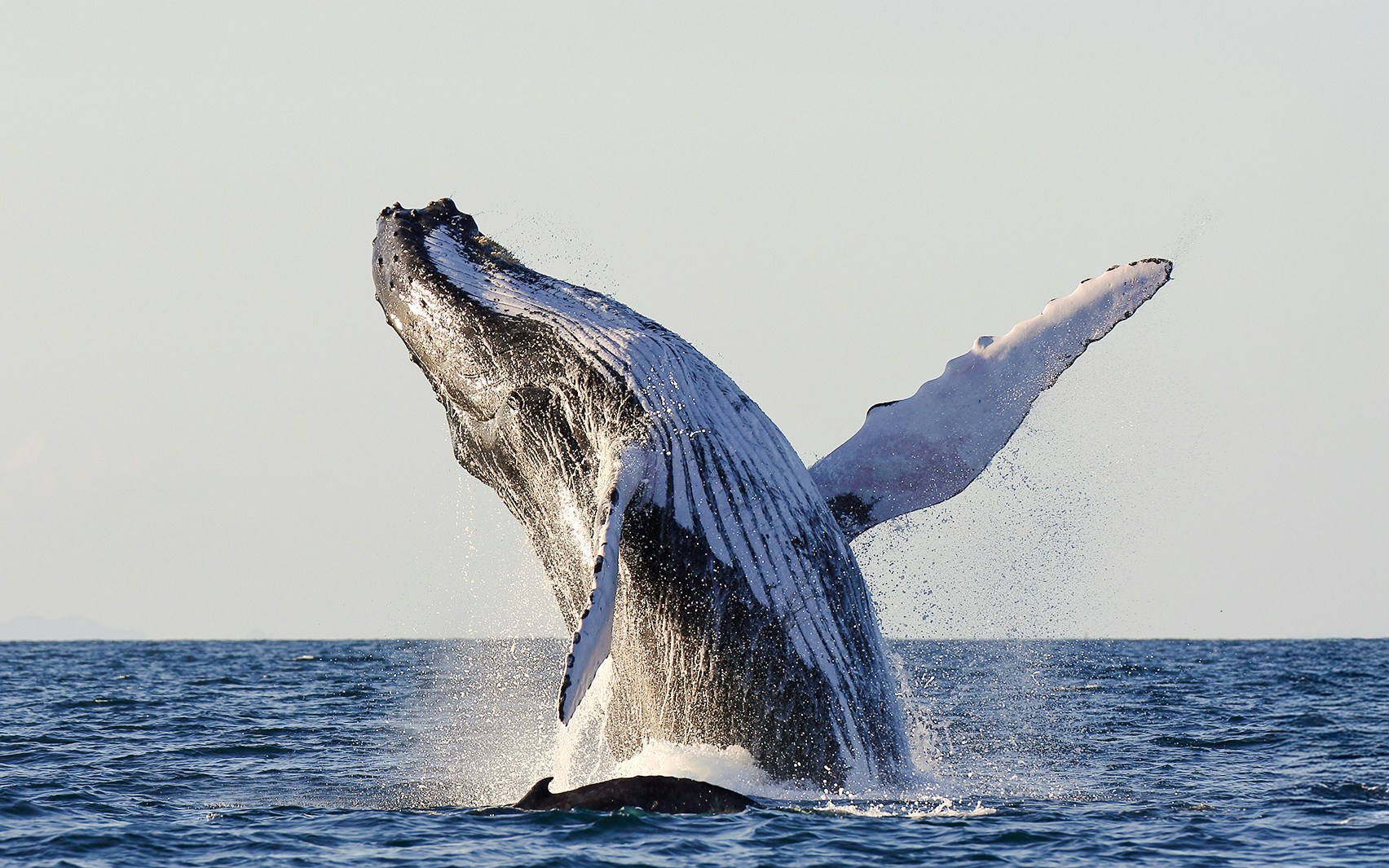
Most frequently sighted from Boston, they are known for breaching and tail-slapping as they feed on shoals of fish. Many have identifiable markings and return to the same feeding spots each summer.
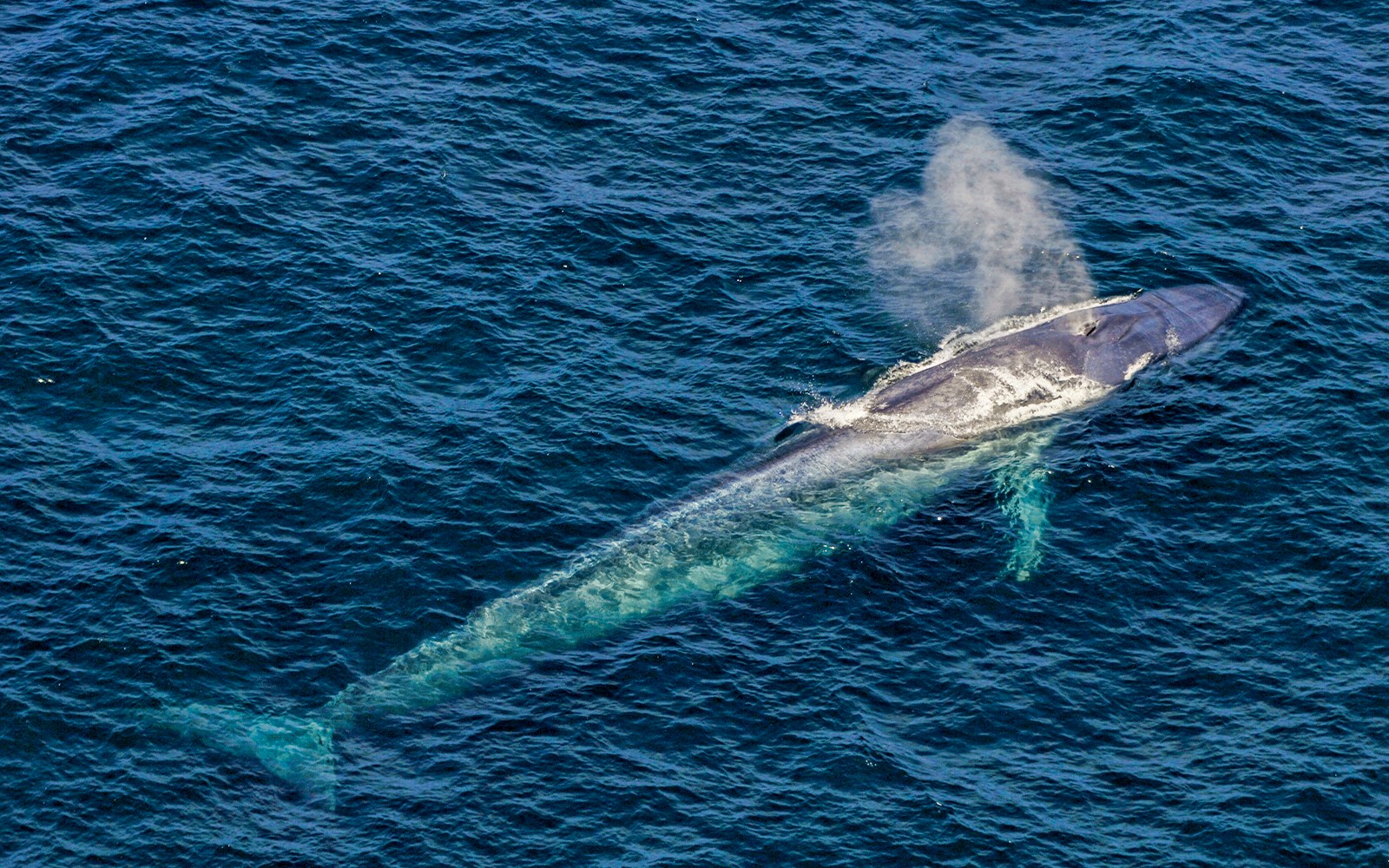

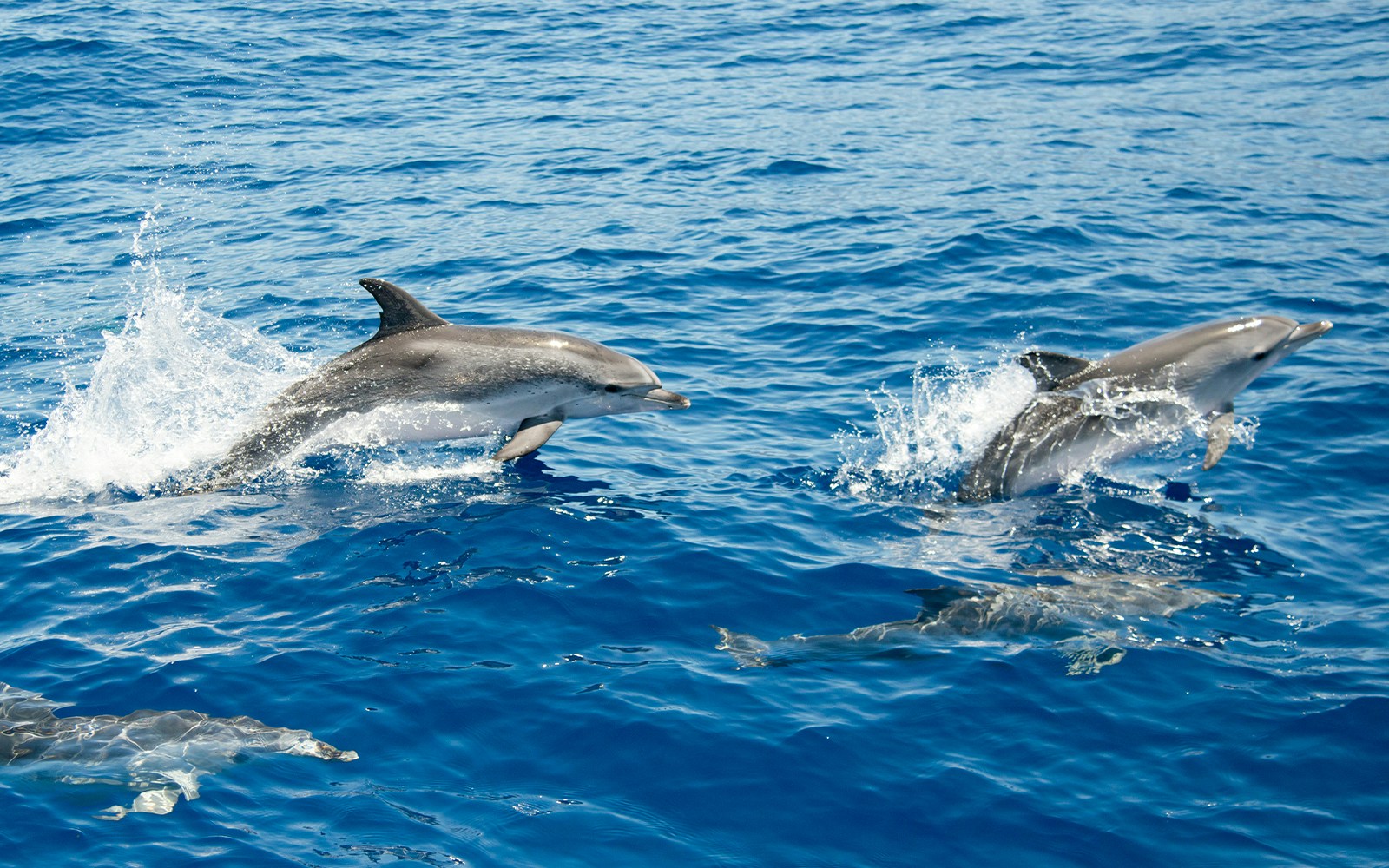

The western edge of the sanctuary sits about 21 miles from Boston Harbor. Whale-watching tours typically reach the feeding grounds in 45–75 minutes, depending on boat size and conditions.
Most of the bank’s plateau ranges from 65–100 feet (20–30 m) deep, while surrounding waters drop into basins over 600 feet (180+ m). That steep change drives the nutrient-rich upwelling that whales rely on.
You can expect humpback whales, fin whales, minke whales, dolphins, seals, seabirds, bluefin tuna, and occasional North Atlantic right whales. Summer and early fall bring the highest biodiversity.
Whales are not permanent residents. Stellwagen hosts seasonal migrations, primarily from April through October, when food sources peak. Sightings outside these months are possible but less consistent.
The sanctuary is fully offshore and best reached with a licensed whale-watching operator familiar with protected zones, weather patterns, and safe wildlife viewing regulations.
Its underwater plateau forces cold, nutrient-rich water toward the surface. Abundant krill and schooling fish, especially sand lance and herring, draw whales here each year to feed.
Boston Whale Watching Cruise by New England Aquarium
Historic Boston Harbor Cruise
Boston Harbor Sunset Cruise
