Planning your visit to New England Aquarium
New England Aquarium is a compact but busy waterfront aquarium best known for its four-story Giant Ocean Tank, penguin colony, and hands-on marine exhibits. The route is easy to follow, but weekends and school breaks can feel crowded fast because timed-entry slots concentrate visitors into a fairly tight building. The biggest difference between a rushed visit and a good one is pacing the central tank properly instead of treating it as a quick pass-through. This guide covers arrival, timing, tickets, and what to prioritize once you’re inside.
Quick overview: New England Aquarium at a glance
If you want the short version before you book, this is what actually changes the day.
- When to visit: Open daily with timed entry. Weekday mornings outside summer and school vacations are noticeably calmer than late mornings on weekends, because families tend to bunch around the penguins, touch tank, and central ramp at the same time.
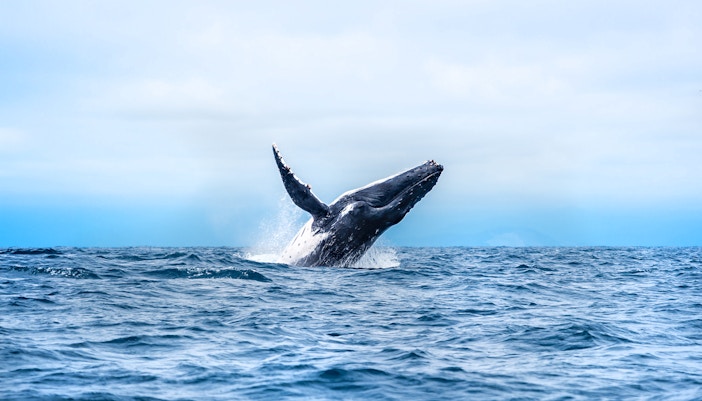
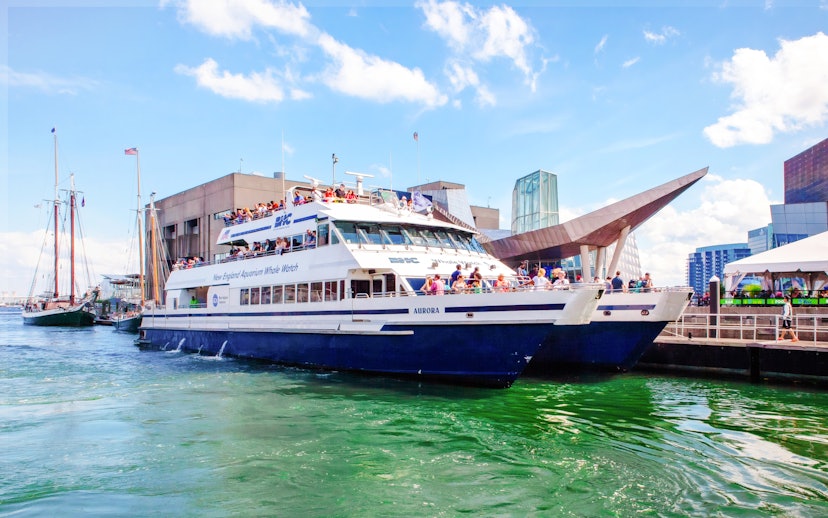
- Getting in: From $35 for standard timed entry. Whale Watching Cruise by New England Aquarium from around $75. Booking ahead matters most for summer weekends, holidays, and rainy days when indoor attractions across Boston fill quickly.
- How long to allow: 2–3 hours works for most visitors. It stretches toward the longer end if you stop for keeper talks, linger at the Giant Ocean Tank, or visit with children.
- What most people miss: The upper levels of the Giant Ocean Tank give you the best reef views, and the underwater windows at the marine mammal areas are easy to skip if you stay with the entrance crowds.
- Is a guide worth it? For the aquarium itself, no — the route is straightforward and staff talks do a lot of the work — but the naturalist-led whale watch adds real value because sightings make far more sense with expert narration.
🎟️ Tickets for New England Aquarium can sell out a few days in advance during summer weekends and school breaks. Lock in your visit before the time you want is gone.
Jump to what you need
🕒 Where and when to go
🗺️ Getting around
♿ Facilities and accessibility
Where and when to go

How do you get to New England Aquarium
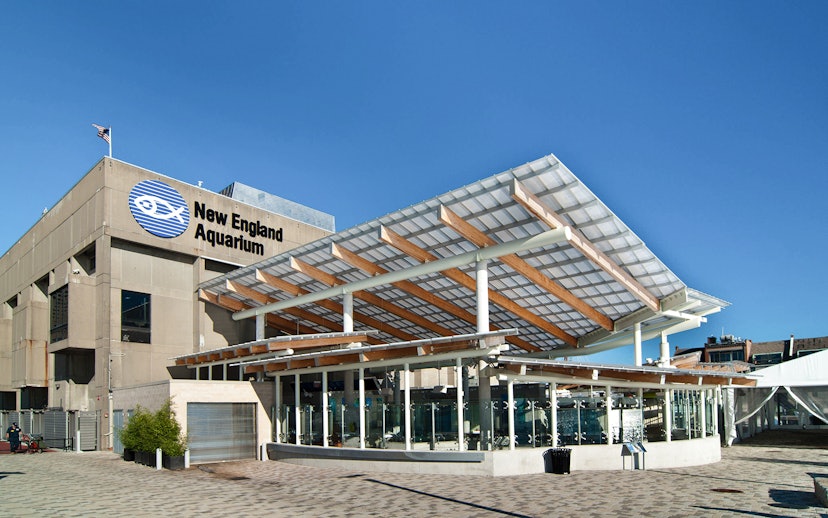
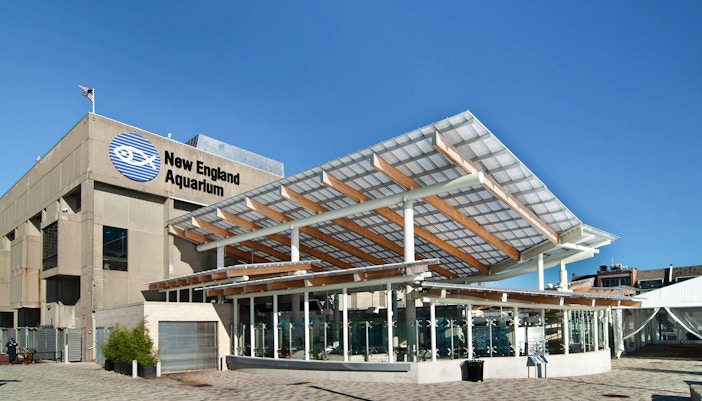
New England Aquarium sits on Central Wharf on Boston’s waterfront, beside Boston Harbor and a short walk from the Financial District, Faneuil Hall, and the North End.
Address: 1 Central Wharf, Boston, MA 02110, United States | Find on Maps
- Subway: Aquarium station (Blue Line) → 2-min walk → Exit toward Central Wharf for the most direct route.
- Subway: State station (Blue and Orange lines) → 8-min walk → Useful if you’re arriving from Back Bay or North Station.
- Ferry: Long Wharf ferry terminal → 5-min walk → Best option if you’re combining the visit with a harbor trip.
- Taxi/rideshare: Drop-off at Central Wharf / Atlantic Ave → 2–4 min walk → Easiest with strollers on busy weekends.
Which entrance should you use
The aquarium keeps things simple with one main public entrance, but the mistake most people make is arriving exactly at their timed slot and hitting the heaviest family queue.
- Main entrance: Located at Central Wharf. Best for all ticket holders. Expect 10–20 min wait during summer weekends, holidays, and rainy afternoons.
When is New England Aquarium open
- Monday–Sunday: Timed entry runs throughout the day
- School breaks and summer: More slots are usually released, but popular windows fill faster
- Last entry: Final timed slots are usually in the late afternoon
When is it busiest: Late morning to mid-afternoon on weekends, school vacations, and summer holidays is the tightest window, when the penguin habitat and touch tank get the most crowded.
When should you actually go: Aim for the first weekday entry slot you can manage, because the Giant Ocean Tank ramp stays easier to navigate before stroller traffic and school groups build.
How do you get around New England Aquarium
Aquarium layout
The aquarium is compact and center-led, with most visitors naturally orbiting the Giant Ocean Tank and branching off to surrounding exhibits. It’s easy to self-navigate, but it’s also easy to rush the tank, miss upper-level views, and leave feeling like the visit was shorter than it needed to be.
- Entrance level: Penguin viewing and the first look at the Giant Ocean Tank → budget 20–30 min.
- Central ramp levels: Different reef views around the tank, including sharks, rays, and sea turtles at changing heights → budget 30–45 min.
- Touch tank zone: Hands-on ray and shark experience that usually draws the longest family pause → budget 15–25 min.
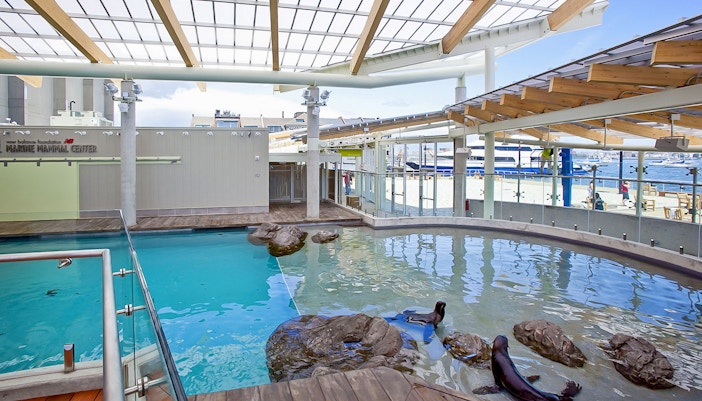
- Marine mammal areas: Seal and sea lion viewing, including underwater windows that many visitors pass too quickly → budget 20–30 min.
Suggested route: Start with the penguins, then take the Giant Ocean Tank slowly from lower to upper levels before heading to the touch tank and marine mammals. Most visitors do the tank too fast at the start, then realize later they’ve missed the best angles and have to backtrack.

Maps and navigation tools
- Map: Use the on-site visitor map to follow the central-tank route and nearby side exhibits as you enter.
- Signage: Wayfinding is good enough for most visits, but the upper tank levels and side galleries are easier to appreciate if you keep the map open.
- Audio guide/app: The aquarium visit is mostly self-guided, and live staff talks usually add more value than a formal app would here.
💡 Pro tip: Don’t treat the Giant Ocean Tank like a single stop near the entrance — it’s the spine of the whole building, and the upper levels usually give you the least obstructed views.
Which animals and habitats should you prioritize
Giant Ocean Tank
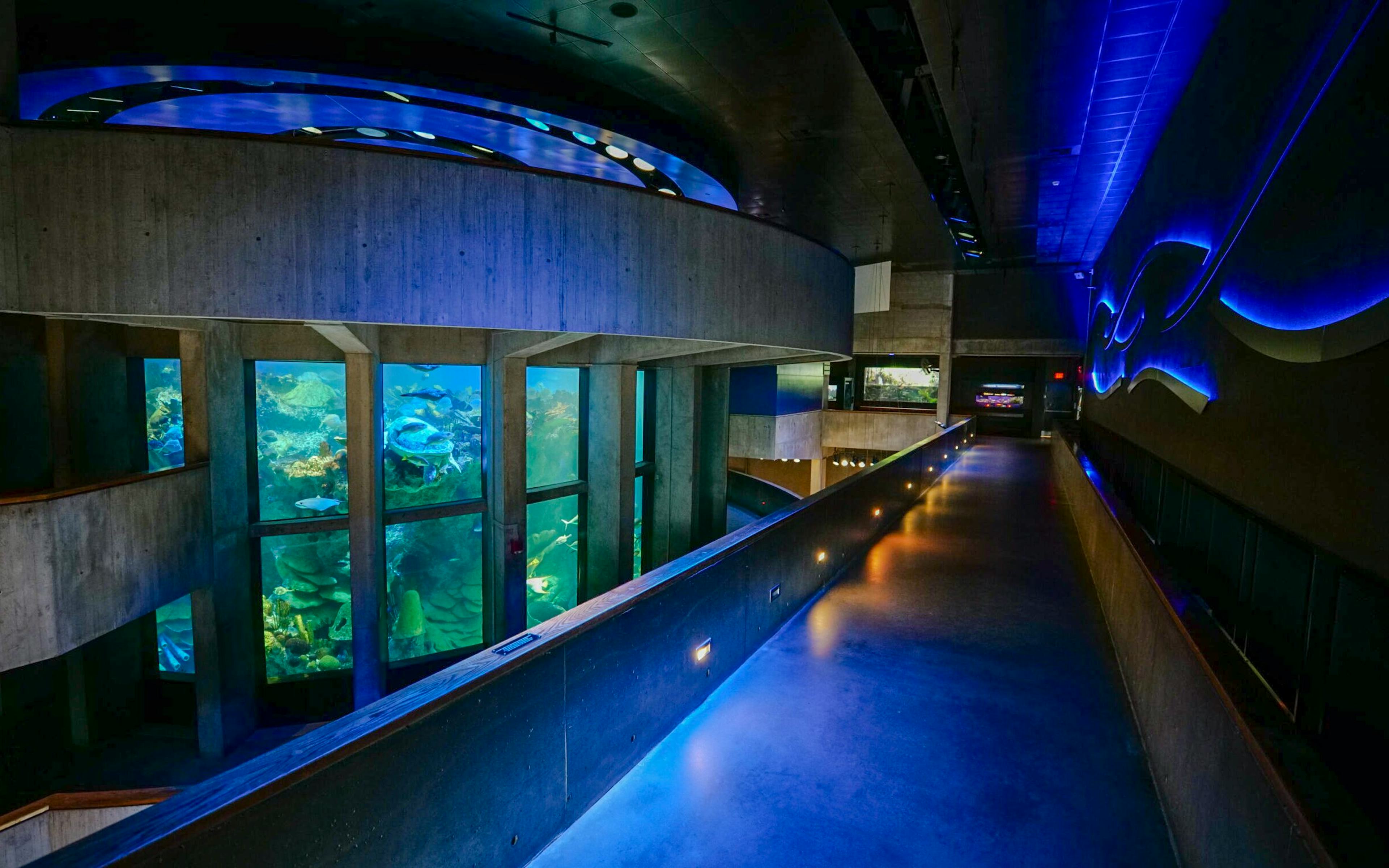
Habitat: Four-story Caribbean coral reef
This is the aquarium’s anchor experience — a 200,000-gallon tank built into the middle of the building, filled with reef fish, rays, sharks, and the famous green sea turtle Myrtle. What makes it worth slowing down for is how different it feels from each level; the view changes as you climb. Most visitors stay at the lower rail, but the upper levels give you cleaner sightlines and a better sense of the tank’s scale.
Where to find it: In the center of the aquarium, beginning right after the main entrance and continuing up the circular ramp.
Penguin Colony
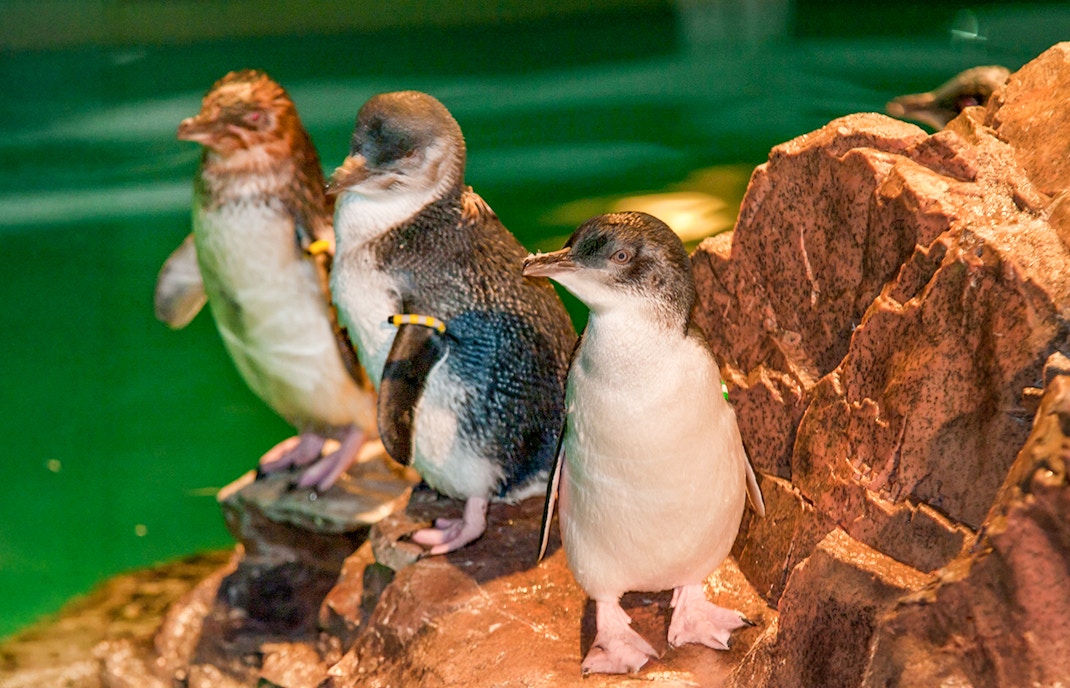
Species: African penguins and southern rockhopper penguins
The penguin habitat is one of the first things you’ll see, which is exactly why it gets crowded quickly. It’s worth more than a fast photo stop because the birds are constantly moving between land and water, and the staff feedings add context to what looks like chaos at first glance. Most visitors don’t notice the color bands used to identify individual penguins.
Where to find it: At the base of the Giant Ocean Tank near the entrance level.
Shark and Ray Touch Tank
Habitat: Mangrove-style touch pool
This is the hands-on exhibit most families make a beeline for, but it’s just as useful for adults because staff usually explain how to approach the animals safely and why touch interactions are limited. The easy mistake is treating it as a quick pet-and-go stop. Stay long enough to watch how the rays circle the pool edges — that’s when you get the best view and the shortest wait for space at the rail.
Where to find it: In the interactive exhibit area off the main aquarium route.
Marine Mammal Center
Species: Atlantic harbor seals and California sea lions
This area rewards patience more than people expect. Above-water views are fun, but the real payoff is catching the animals underwater, where you can actually see how fast and agile they are. Many visitors glance at the surface activity, then move on too soon. If you wait a few minutes by the glass, the whole exhibit feels different.
Where to find it: In the marine mammal viewing area along the harbor-facing side of the aquarium complex.
Facilities and accessibility
- 🅿️ Parking: Parking is not included with admission, so plan on using nearby downtown garages rather than looking for an on-site lot.
- 🍽️ Seasonal waterfront dining: The dockside beer garden operates in summer and works better as a post-visit harbor stop than a meal to build your whole day around.
- 🪑 Seating/rest areas: The indoor route around the Giant Ocean Tank gives you natural pause points, which help if you want to break up the visit without leaving the building.
- ♿ Mobility: The aquarium is wheelchair accessible, with ramps and elevators throughout the venue, and the main route is designed so you can move level to level without stairs.
- 👨👩👧 Families and strollers: Strollers are allowed, and the aquarium’s main route is pram-friendly, though the entrance and central ramp can feel tight at peak times.
The aquarium is very well-suited to children because the visit is short enough to hold attention and hands-on exhibits break up the slower viewing areas.
- 🕐 Time: 2 hours is realistic with young children if you focus on penguins, the Giant Ocean Tank, and the touch tank first.
- 🏠 Facilities: Stroller-friendly circulation makes the route easier than many older city attractions with stairs and broken layouts.
- 💡 Engagement: Let kids compare the Giant Ocean Tank from the bottom and top levels — it turns one exhibit into a simple scavenger hunt instead of a passive stop.
- 🎒 Logistics: Book the earliest slot you can manage, because the touch areas and penguin rail are much easier with children before the late-morning crowd hits.
- 📍 After your visit: The Boston Harborwalk is right outside and gives kids space to move after the indoor part of the day.
Rules and restrictions

What you need to know before you go
- Entry requirement: Timed entry is standard, and you should have your ticket ready when you reach the entrance.
- Bag policy: Day bags are fine, but alcohol, drones, and sharp metallic objects are not allowed inside.
- Re-entry planning: Plan the visit as one continuous stop, because timed entry works best when you aren’t trying to break the day up mid-visit.

Not allowed
- 🚫 Food and drink: Outside food isn’t part of the standard visit setup, so plan meals before or after rather than expecting to picnic through the exhibits.
- 🐾 Pets: Pets are not permitted inside the aquarium.
- 🖐️ Touching animals: Only touch animals in the designated touch areas, because the rest of the habitats are protected and staff-managed.
- 🚁 Drones: Drones are not permitted anywhere on the experience.

Photography
Personal photos are generally fine inside the aquarium, but flash photography is not allowed. That matters most around the animal habitats, where reflections are already tricky and flash only makes your photos worse. Drones are also banned, so keep your setup simple and plan for low-light conditions.
Good to know
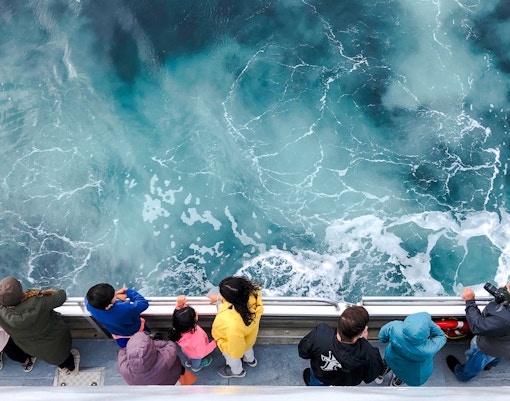
- Separate experiences: Whale watch cruises are not included with standard aquarium admission.
- Add-ons: Standard aquarium tickets cover the main exhibits, so check inclusions before assuming any extra waterfront experiences are bundled in.
Practical tips
- Booking and arrival: Book at least a few days ahead for summer weekends and school breaks, and aim to arrive 10–15 min before your timed slot so you’re through the entrance before the central exhibits bottleneck.
- Pacing: Save your patience for the Giant Ocean Tank and do it slowly once, because people often rush it first, then waste 20–30 min doubling back after realizing the upper levels are the best part.
- Crowd management: The first weekday slot is the sweet spot here — not because every attraction is quieter early, but because the penguin area and touch tank get stroller-heavy fast once late-morning family traffic builds.
- What to bring or leave behind: Bring the smallest bag you can manage, since prohibited items like sharp metal tools, drones, or alcohol will only slow entry and create avoidable hassle.
- Food and drink: Eat before or after rather than during the visit, because the aquarium itself is a relatively short indoor stop and the waterfront nearby gives you better options for a proper meal.
What else is worth visiting nearby
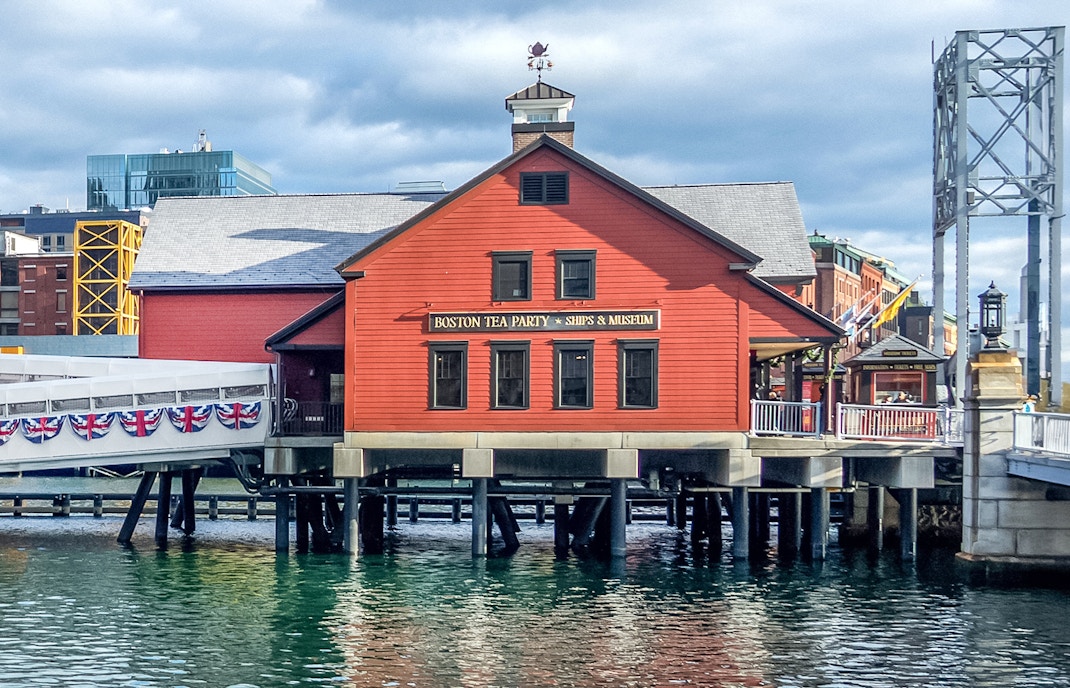
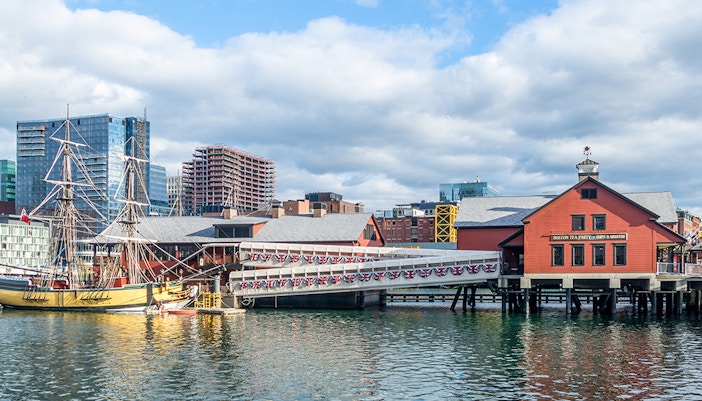
Commonly paired: Boston Tea Party Ships & Museum
Distance: 0.5 mi – 10-min walk
Why people combine them: Both sit on the waterfront, so this pairing gives you one marine-life stop and one historic Boston experience without needing transit in between.

Commonly paired: Faneuil Hall Marketplace
Distance: 0.4 mi – 8-min walk
Why people combine them: It’s the easiest post-aquarium stop for food, shopping, and people-watching, especially if you want to turn a 2–3 hour aquarium visit into a fuller half-day out.
Eat, shop and stay near New England Aquarium
- On-site: Dockside Beer Garden, seasonal waterfront drinks and light bites, mid-range, and best treated as a convenient harbor stop rather than your main meal.
- Tatte Bakery & Cafe (10-min walk, 60 State St, Boston, MA 02109): Coffee, pastries, and light breakfast plates in a polished café that works well before an early timed entry.
- Quincy Market Food Colonnade (8-min walk, 4 S Market St, Boston, MA 02109): Casual food hall options at mixed price points, useful if your group wants different things without a long sit-down meal.
- James Hook & Co. (15-min walk, 440 Atlantic Ave, Boston, MA 02210): Classic lobster rolls and seafood in a no-fuss spot that makes the most sense after the aquarium, not before it.
- 💡 Pro tip: If you’ve booked a morning slot, eat first or wait until after your visit — stopping for food mid-plan usually costs more time than the aquarium itself.
- Faneuil Hall Marketplace: Souvenirs, Boston-themed gifts, and easy browsing, all within a short walk of the aquarium.
- Boston Public Market: New England-made food products and local goods at 100 Hanover St, especially useful if you want something better than standard tourist merchandise.
Yes, if you’re in Boston for a short trip and want to stay close to the harbor, historic sites, and easy downtown walks. The area feels convenient rather than neighborhood-heavy, and prices usually skew higher than average because you’re paying for location. It works best if minimizing transit matters more to you than nightlife or hotel value.
- Price point: Mostly upper-mid-range to expensive, with the best-value options usually farther from the immediate waterfront.
- Best for: Short stays where you want to walk to the aquarium, Faneuil Hall, the harbor, and parts of the Freedom Trail.
- Consider instead: The North End for better dining and more neighborhood character, or Back Bay if you want a stronger hotel base for a longer Boston stay.
Frequently asked questions about visiting New England Aquarium
Most visits take 2–3 hours. That’s enough time to circle the Giant Ocean Tank properly, stop at the penguins, visit the touch tank, and spend time at the marine mammal areas without rushing. Families with young children or anyone who likes to linger at keeper talks usually lands closer to the 3-hour mark.
Yes, booking in advance is the safer move, especially for weekends, school vacations, and summer. Timed entry keeps the flow manageable, but it also means the best slots can disappear before the day of your visit. If you want a specific morning window, don’t leave it until the last minute.
Arrive around 10–15 min before your timed entry. That gives you enough buffer for ticket checks and the entrance queue without standing around too long outside. If you arrive exactly at the slot on a busy day, you can still end up entering behind a bigger wave of families.
Yes, a normal day bag or backpack is usually fine, but prohibited items are not. Alcohol, sharp metallic objects, and drones are not allowed, so pack light and keep the contents simple. A smaller bag also makes the central route easier once the building gets crowded.
Yes, personal photography is generally allowed, but flash photography is not. That matters in the darker exhibit areas, where flash won’t help your shots anyway and can disturb the animals. If you want better photos, slow down at the upper levels of the Giant Ocean Tank instead of shooting only from the crowded base.
Yes, New England Aquarium works well for groups, but timed entry matters more when you’re arriving together. Small groups can move through easily, while school groups and larger parties should plan ahead so everyone enters on the same window. The compact layout is manageable, but peak-time crowding makes loose group plans harder.
Yes, it’s one of the easier Boston attractions to do with children because the route is compact and the exhibits change often enough to keep attention. The penguins, touch tank, and Giant Ocean Tank do most of the heavy lifting. If you go early, you’ll have a much easier time with strollers and rail-space.
Yes, the aquarium is wheelchair accessible. Ramps and elevators are available throughout the venue, and the main visitor route is designed so you don’t need to rely on stairs to move between levels. The one thing to watch for is crowd density near the entrance and central tank on busy days.
Yes, there are better food options near the aquarium than inside the visit itself. The seasonal dockside beer garden is convenient, and Faneuil Hall, State Street, and the waterfront give you plenty of nearby choices within a 10–15 min walk. It’s usually easier to eat before or after your timed entry.
No, whale watch cruises are separate from standard aquarium admission. If you want both, treat them as two different experiences and check the inclusions carefully before you book. The cruise is a much longer commitment at 3–4 hours, so it usually works better as its own half-day plan.